Unlock the Power of Nature for Thriving Gardens with Rock Dusts
Discover how Nature’s Way Resources can transform your soil with our innovative Rock Dust Re-Mineralizer™ blend, designed to rejuvenate and nourish your garden.
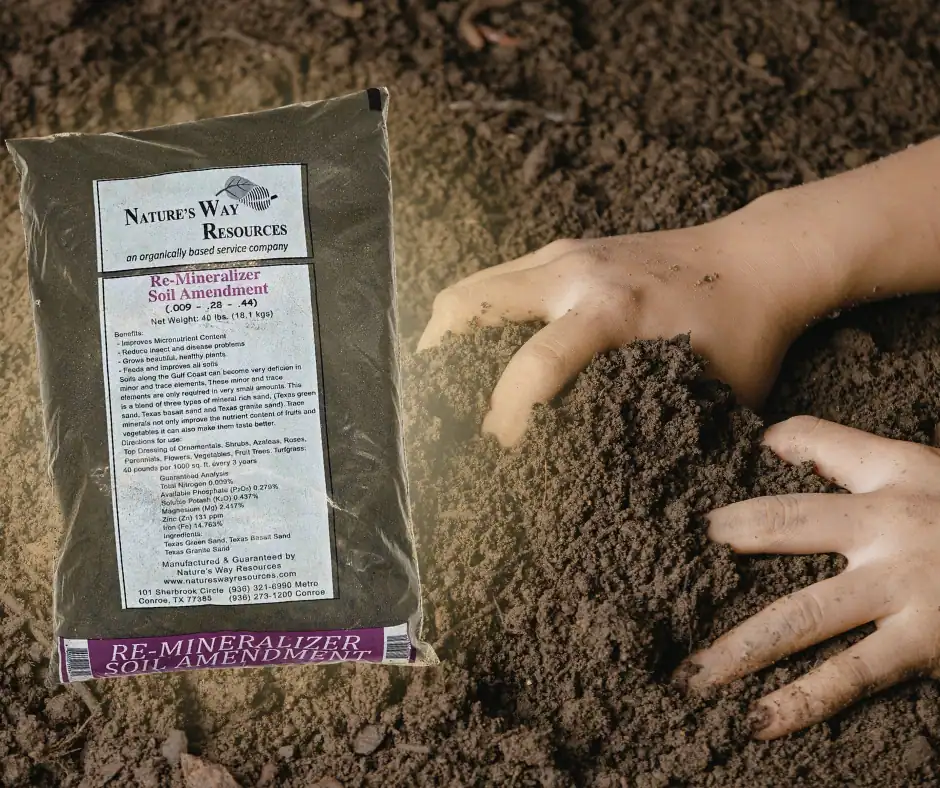
Re-Mineralizer™ Blend
A unique mix of rock dust from Texas Green Sand, Granite Sand, and Basalt Sand to restore essential minerals and boost soil vitality.
Trace Mineral Restoration
Enhanced Soil Biology
Organic Gardening Safe
Non-Burning Formula
What Makes Our Blend Different?
Unlike basic rock dust products that may only contain calcium or magnesium from one source, our Re-Mineralizer contains a broad spectrum of naturally occurring trace elements sourced from multiple nutrient-rich mineral sands across Texas.
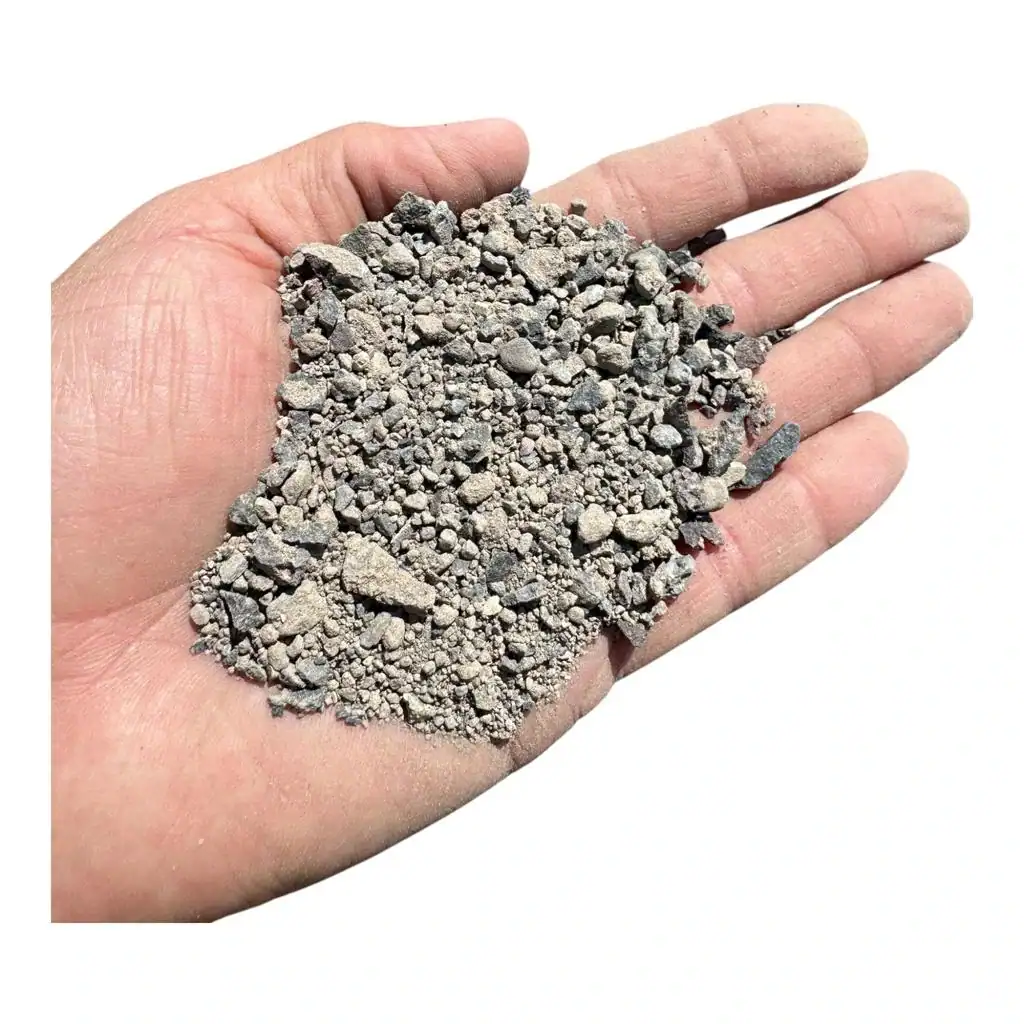
Our Blend Includes
Texas Green Sand
- Naturally contains many of the same trace elements found in seawater
- Supports microbial activity
- Helps improve soil fertility
Granite Sand
- Naturally rich in potassium
- Para-magnetic properties
- Helps support plant vigor and soil biology
Basalt Sand
- Rich in iron and magnesium
- Highly valued in regenerative agriculture
- Supports long-term soil mineral balance
Why Modern Soils Need Re-Mineralization
Today’s soils are often stripped of vital nutrients due to intensive farming practices, synthetic fertilizers, and erosion. Re-mineralization is crucial to restore these essential elements, ensuring robust plant health and productivity.
If essential trace minerals are missing from the soil, plants cannot absorb them into the food we eat. Re-mineralization helps restore these naturally occurring elements to the soil, supporting healthier crops and more nutritionally balanced food.
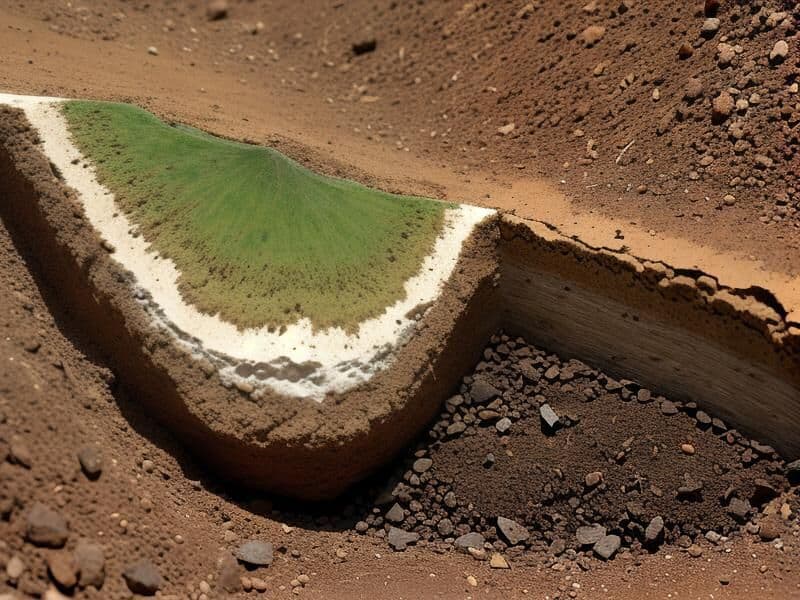
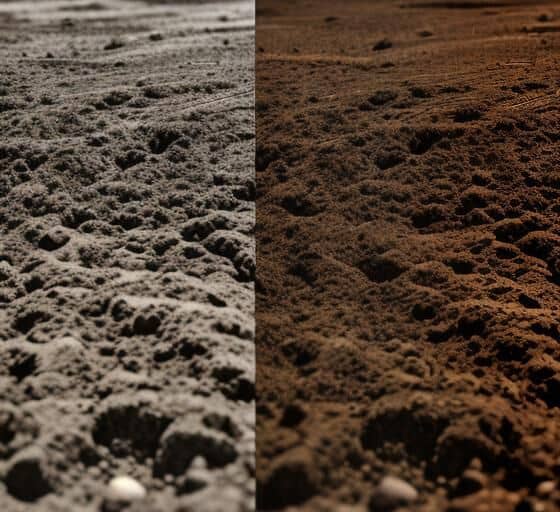
Understanding Soil Depletion
Intensive agriculture and synthetic inputs have led to a significant decline in soil fertility, affecting plant growth and ecosystem balance.
The Role of Trace Minerals
Trace minerals are key to maintaining soil health, supporting microbial life, and enhancing nutrient density in plants.
Benefits of Re-Mineralization
Re-mineralization helps rebuild soil structure, improve moisture retention, and promote a thriving biological environment, essential for sustainable agriculture.
Key Advantages of Re-Mineralizer™
Supports Healthier, More Nutrient-Dense Food
Helps restore trace minerals to the soil that plants use to develop stronger nutritional profiles, supporting the natural connection between healthy soil, healthy crops, and human health.
Improves Soil Health Naturally
Helps improve soil structure, moisture retention, aeration, and microbial activity while supporting long-term fertility without harsh synthetic inputs.
Supports Stronger, More Resilient Plants
Encourages healthier root development, improved nutrient uptake, and greater resistance to drought, stress, pests, and disease.
Health Benefits
- Helps support the growth of more nutrient-dense fruits and vegetables
- Replenishes trace minerals that are essential for both plant and human health
- Supports healthier soils that can produce food with improved mineral availability
- Many trace minerals found in healthy soils play important roles in human wellness, immune function, and overall nutrition
- Helps restore the natural connection between healthy soil, healthy plants, and healthy people
- Encourages biological activity that helps plants absorb a broader spectrum of nutrients from the soil
Soil Benefits
- Improves soil structure
- Helps loosen compacted soils
- Improves aeration
- Increases moisture retention
- Helps reduce erosion
- Improves nutrient storage capacity
Plant Benefits
- Supports stronger plant growth
- Increases nutrient density
- Improves flavor of crops
- Helps increase yields
- Supports seed germination
- Helps plants resist drought and stress
Biological Benefits
- Increases microbial diversity
- Encourages earthworm activity
- Speeds the formation of stable humus
- Helps organic fertilizers work more efficiently
Natural Resilience
- Helps plants resist insects and disease
- Supports frost and drought tolerance
- May help reduce weed pressure
Re-Mineralizer™ vs. Traditional Fertilizers
Discover how our natural blend compares to conventional fertilizers in promoting sustainable soil health.
Re-Mineralizer™
Natural Trace Elements
Improves Soil Structure
Supports Microbial Life
Long-Lasting Effects
Organic Gardening Safe
Traditional Fertilizers
Synthetic Compounds
Temporary Nutrient Boost
Can Harm Microbes
Requires Frequent Application
Potential Chemical Runoff
Re-Mineralizer™ User Guide
Comprehensive instructions for optimal use of Re-Mineralizer™ in various gardening and landscaping applications.
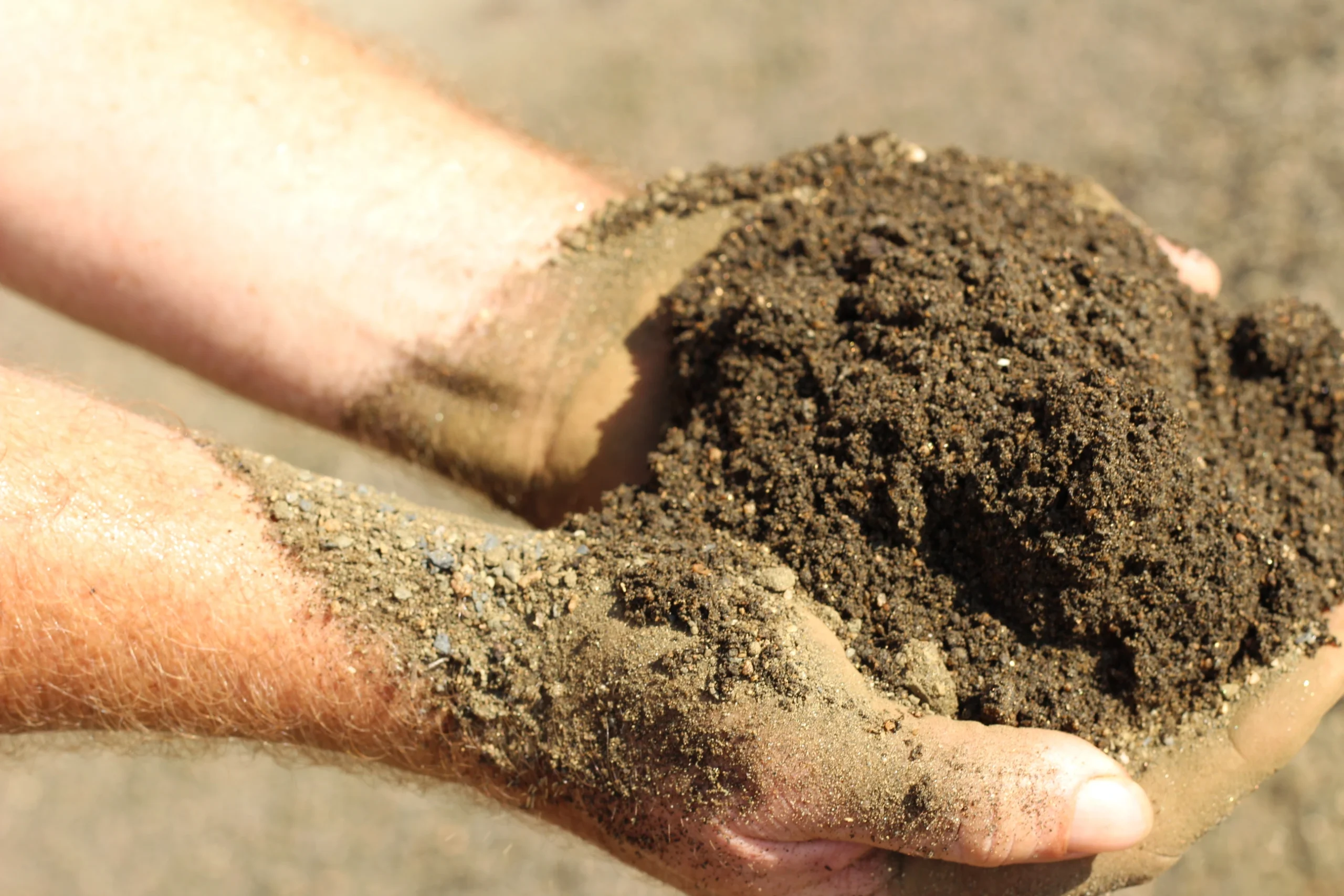
Getting Started with Re-Mineralizer™
Re-Mineralizer™ is designed for easy application across a range of environments. This guide will walk you through the steps to ensure your soil receives the maximum benefit from our blend.
Application Instructions
Spread 40 lbs per 800–1,000 sq ft using a broadcast spreader or by hand. Apply every few years as needed
Ideal Usage Scenarios
- Broadcast over lawns and gardens
- Mix into planting beds
- Add to compost piles
- Use in vegetable gardens, flower beds, orchards, and landscapes
Safety and Storage
Store in a dry place. Safe for use in organic gardening and will not alter soil pH.
Frequently Asked Questions
Can I use this with other fertilizers? Our Re-Mineralizer will not burn plants and can safely be used alongside compost and organic fertilizers.
Do I need to wear gloves when applying this? No, this is an organic sand compound; there is no need to wear gloves or a mask.
Do I need to mix it into the top layer of my soil? No, just apply on top; water and gravity will help it work its way down into the soil over time.
The Science Behind It
When soils lack trace minerals:
- Plant growth can become limited
- Nutrient density in food may decrease
- Microbial diversity declines
- Plants become more vulnerable to stress, pests, and disease
Healthy soil biology depends on mineral diversity. By restoring these elements naturally, remineralization helps rebuild long-term soil fertility and supports healthier plants, animals, and people.
Healthy soil is created through the interaction between:
- Minerals
- Microbiology
- Organic matter
- Water
- Plant roots
As microbes break down mineral particles, they release trace elements into plant-available forms.
These minerals also help feed soil microorganisms that:
- Build humus
- Cycle nutrients
- Help capture nitrogen from the air
- Improve long-term soil fertility
Why particle size matters
The size of mineral particles has a major impact on how quickly nutrients become available in the soil. Smaller particles have much more surface area exposed to soil microbes, moisture, and plant root activity, allowing minerals to break down more efficiently.
If rock particles are too large, they release nutrients very slowly and may take many years to become biologically useful. If they are ground into extremely fine powders, nutrients can sometimes release too quickly and be lost through leaching before plants and soil biology can fully utilize them.
Sand-sized mineral particles often provide the ideal balance between:
- Surface area
- Biological activity
- Nutrient release
- Long-term soil stability
- Cost effectiveness
This gradual release helps feed soil biology steadily over time while improving long-term soil structure and fertility.
Healthy soil biology depends on mineral diversity. By restoring these elements naturally, remineralization helps rebuild long-term soil fertility and supports healthier plants, animals, and people.
What is remineralization?
Remineralization is the process of restoring essential minerals and trace elements back into depleted soils using naturally occurring mineral-rich materials such as basalt, granite, and green sand. Over time, soils lose minerals through erosion, farming, rainfall, chemical fertilizers, and repeated crop production. When these minerals are depleted, soil biology weakens and plants often struggle to reach their full potential.
In nature, healthy soils are constantly replenished through the weathering of rocks, volcanic activity, flooding, and biological processes. Re-mineralization simply helps accelerate these natural systems by supplying a broad spectrum of minerals directly to the soil.
As soil microorganisms interact with these mineral particles, they slowly release nutrients into plant-available forms. This helps support healthier soil biology, improved soil structure, stronger plants, and more nutrient-dense food over time.
Liebig’s Law of the Minimum
Liebig’s Law of the Minimum is a foundational principle of soil science developed by German scientist Justus von Liebig in the 1800s. The concept states that plant growth is limited not by the total amount of nutrients available, but by the nutrient that is in the shortest supply.
Even if every other nutrient is abundant, a deficiency in just one essential element can limit overall plant health and productivity.
A common example is a wooden barrel with uneven stave heights. The barrel can only hold water up to the height of the shortest stave. In the same way, plants can only grow as well as the most limited nutrient allows.
This is one reason trace minerals matter so much. Even tiny deficiencies in elements such as boron, molybdenum, manganese, or zinc can impact plant performance, microbial activity, and crop quality. Re-mineralization helps restore a broader range of naturally occurring elements to support more balanced soil fertility.
What is para-magnetism?
Para-magnetism is a natural property found in certain volcanic and igneous rock materials such as basalt and granite. Research by Dr. Philip Callahan explored how para-magnetic materials may help influence soil energy, microbial activity, and plant vitality.
In simple terms, para-magnetic materials interact with the earth’s natural magnetic field. Many regenerative growers believe these materials help create a more biologically active and balanced soil environment. While para-magnetism is still an evolving area of soil science, many farmers and gardeners report improvements in plant vigor, soil biology, crop quality, and resilience when using para-magnetic mineral sources.
Volcanic mineral sands such as basalt are valued not only for their mineral content, but also for these naturally occurring energetic properties.
Why do trace minerals matter?
Plants require far more than just nitrogen, phosphorus, and potassium to thrive. Healthy soils contain dozens of trace elements that support biological activity, plant metabolism, nutrient cycling, and overall ecosystem function.
Trace minerals such as molybdenum, zinc, manganese, copper, boron, cobalt, selenium, and vanadium are needed in very small amounts, but they play critical roles in soil and plant health. Many beneficial microorganisms also rely on these elements to fix nitrogen from the atmosphere, break down organic matter, and build stable humus in the soil.
Common Questions About Re-Mineralizer™
What is remineralization?
Remineralization is the process of restoring essential trace minerals to the soil, enhancing its fertility and supporting plant health.
Is Re-Mineralizer™ safe for vegetables?
Yes, Re-Mineralizer™ is completely safe for use in vegetable gardens and is ideal for organic growing practices.
Will this change soil pH?
Re-Mineralizer™ is designed to improve soil health without significantly altering the soil pH.
How often should I apply Re-Mineralizer™?
For optimal results, apply Re-Mineralizer™ every few years, depending on soil conditions and plant needs.
Can I use Re-Mineralizer™ with compost?
Absolutely! Mixing Re-Mineralizer™ with compost can enhance its effectiveness by improving nutrient availability.
Is Re-Mineralizer™ organic?
Yes, Re-Mineralizer™ is made from natural materials and is safe for organic gardening.
How do I apply Re-Mineralizer™?
Apply approximately 40 lbs per 800–1,000 sq ft using a spreader or by hand, and incorporate it into the soil for best results.
What are the benefits of using Re-Mineralizer™?
Using Re-Mineralizer™ can improve soil structure, increase moisture retention, and support healthier plant growth.
Can Re-Mineralizer™ help with pest resistance?
Yes, by improving plant health and resilience, Re-Mineralizer™ can help plants better resist pests and diseases.
Nurture Your Soil's Potential
Transform your garden with Nature’s Way Resources. Experience the benefits of enriched soil and thriving plants. Take the first step towards a healthier garden today!