
Nature’s Way Resources is proud to bring you this free weekly newsletter. While we don’t run ads, generous sponsors help support this project as a public service. Their names are listed below, please consider showing your appreciation by supporting their businesses!
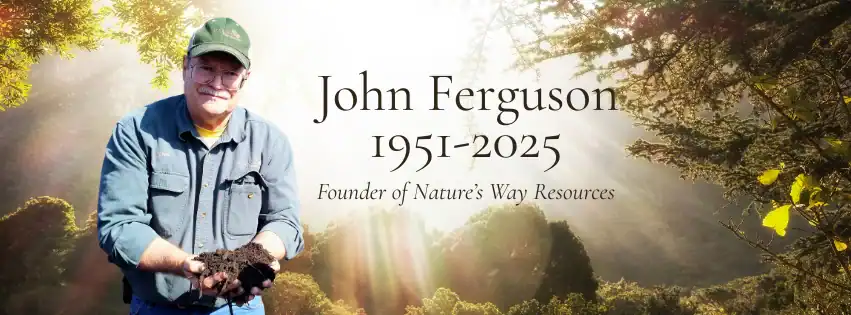
Nature’s Way Resources honors the contributions of our late owner, John Ferguson. “The Lazy Gardener” Brenda Beust Smith and Shelby Cassano welcome your feedback and remain grateful to the many horticulturists who share their expertise.
Published April 15, 2026
by Brenda Beust Smith | The Lazy Gardener
EARTH DAY is WEDS., April 22. Founded in the U.S. in 1970, this designation led to the Environmental Protection Agency (EPA), although its future (according to some folks) is floating on thinner ice these days . . . in this country, that is. Over 190 countries celebrate Earth Day now. Any celebration plans? Suggestion: check out the multitude of Houston public gardens. No one link I can find lists them all, but https://www.hereinhouston.org/ecosystemsandwildlife
April is our biggest planting month, but there are some plants that shouldn’t go in the ground now.
As you buy plants, remember our Greater Houston area actually is the primary route to the sea for at least 6 different, very separate ecosystems, each of which will, in some way, influence which plants do best there: Coastal Wetlands, Urban Ecosystem, Forest Ecosystems, Grasslands: Riparian (rivers and streams), and Suburban. Good idea to know your specific ecosystem.
For many plants, it won’t matter; for some, it will be a possible cause when you can’t understand why a particular plant won’t work for you when it does for friends who live some distance away. Different soil, etc.
Not a big problem if you’re just having fun. Major factor if you’re spending LOTS of $$$! Still, what we want most right now is what to plant THIS MONTH! For edibles, best place to start is the (now available!) Urban Harvest 2026 Planting Guide!
This month, you really should . . . (after this unfortunately not unusual late cold spell departs!). . .
• Make sure none of your plant watering (or as little as possible) runs off into sewers. Runoff is an unnecessary expense for you and VERY bad for our bayous & Galveston Bay.
• Plant caladiums in slightly acidic soil with good drainage. Plant new shrubs before it gets any hotter, and keep newly set-out plants well watered.
• Cut flowers to extend blooming seasons.
• Pinch tips from coleus and copper plants to make them bushier.
If the spirit moves . . .
• Consider ornamental grasses among your flowers. These add eye interest by providing varied leaf textures and shapes.
• Water, mow often to make St. Augustine fill in dead areas more quickly.
• Seed bare sunny areas with fast growers such as cosmos, tithonia, and other sunflowers.
• For larger caladium leaves, remove the largest “eye” or bud.
• Mulch tomatoes, peppers, eggplants. Newspaper under mulch slows weeds.
• To discourage snails, try crushed egg shells and/or seaweed at base of plants. (Better yet, get rid of plants eaten by snails/slugs.)
• Check with YOUR County Extension Agent about pecan grafting workshops this month. Better yet, first visit your Master Gardener group‘s demonstration garden on that site so you’ll have questions to ask! Its goal is to find the most productive planting varieties for YOUR specific area. Be sure to look over the County Extension Agent’s office collection of advice materials for your area.
• Don’t panic over silky white webs on tree trunks. Bark lice — good bugs at work!
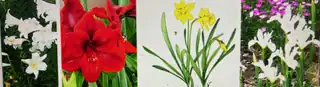
• Don’t remove spent foliage from amaryllis, daffodils, irises, or lilies. Let it die naturally. Roll unsightly bits up and secure at bottom of plant if it bothers you.
• Don’t overfertilize. Leaf spots, dark areas on older plants, may result.
• Don’t overwater. Leaf drop can result. (Also is a sign of underwatering!)
• Don’t plant larkspur, hollyhocks, stocks, delphiniums, or snapdragons now. It’s too hot.
Planting to Help Cut Utility Costs: Plants can help keep the house cooler
in summer and warmer in winter. Plant trees, large shrubs, or vines on lattice sheets to shade the west side in summer, and allow warming sun rays through in winter.
Use deciduous trees and shrubs that are thick in summer and shed leaves in winter. Use a native if you opt for a large shade tree. If you don’t have room for a tree, try a reinforced lattice “wall” covered with a deciduous plant (you want the winter sun!)
Personal Note: Next to trees, I consider wildflowers the most awe-inspiring plants on Earth. They bloom under impossible conditions with no one to water or fertilize them. Over the decades, they’ve really been an influence on my marriage. Husband loved working with his dogs in the most remote wild areas and visiting old forts and other historic abandoned sites. Lots of walking, especially if you’re not an outdoors type! I told him back in 1965 when we said the “I do’s ” at the beginning of our still-strong marriage:
“Give me one wildflower every 30 yards, and I’ll follow you anywhere!”
(Married 61 years this August!)
* * *
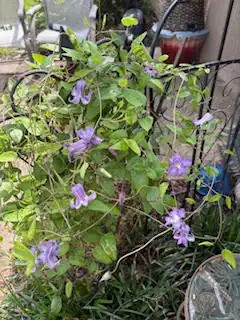
My favorite flower of Spring. First spotted her in 1967. growing wild on ditch-top when we moved to Aldine for Bill’s first coaching job. Watched her expanding for several years, then dug up a few stalks which seemed happy up our carport pillar. When Harvey wiped house et al in 2017, she was still alive. So moved her to new home later that year. Here she is, still my delight (where she still blooms happily every Spring!)
* * *

ATTN:
— Nature’s Way Resources offers free guided tours of NWR’s extensive nursery/soil/mulch facilities for garden clubs, plant societies and other plant-oriented, organized groups. As usual, NWR’s now-expanded meeting site is free to above groups. Reservations a must for both. Great time to visit.
- GOOD NEWS FOR BUSY/LAZY GARDENERS: Curbside pickup is now available in the Nature’s Way Resources nursery, and we’re offering plant preorders for special requests. Call in your order, pick it up when it works for you, or let us try to source the plants you’re looking for on upcoming shipments. Find inventory sheet here.
Want to receive The Lazy Gardener & Friends weekly newsletter?
John’s Corner
NEWS FROM THE WONDERFUL WORLD OF SOIL AND PLANTS
Subject: What Is A Healthy Soil?
Last week, we dove into part 5 of What is a Healthy Soil? – Air & Water. This week, we are sharing part 6 of John’s paper, What is a Healthy Soil? – Plant Choices. This particular section lends well to Brenda’s column this week, funny how things work out. Dive into this past issue and pause for a moment to remember not only John Ferguson, but also our departed friend Randy Lemmon, mentioned below.
Subject: What Is A Healthy Soil – Part 6
by John Ferguson, Founder of Nature’s Way Resources
Continuing our discussion of what is a healthy soil, we are going to discuss item #5 below: Plant choices
- Organic matter from almost fresh to totally decomposed in the form of humus (humins, humic, fulvic acids)
- Minerals (nutrients, sand, silt, and clay)
- Soil life (microbes and macrobes)
- Air & water
- Plant choices
- Care for and do not destroy the health of the soil one has
Healthy soil is relative to the plant one is growing. For example a soil that is great for Louisiana Irises will kill a cactus. Conversely, a Louisiana Iris will die in soil that cactus and succulents grow well in.
5) Plant Choices – Planting the right plant in the correct place. This is the easiest objective to accomplish. There is a tremendous amount of information on plant choices.
One can start with the Lazy Gardener and Friends Houston Garden Newsletter, as Brenda does a great job of telling folks about all sorts of plants and showing them examples.
Randy Lemmon of GardenLine fame (KTRH/740AM) also does a great job of giving folks information on correct plant choices.
Tip: The best information comes from books written by local authors for our climate and soils.
For example, a plant that may grow in full sun up North must have afternoon shade in Houston, and a national book will not tell you this, and your plant will die.
There are also regional differences. My wife and I have purchased a few acres of land near LaGrange to build our retirement home, and I want to fill the property with plants beneficial to wildlife, from butterflies to quail and wild turkeys.
A few weeks ago, I was researching the “Black Cherry” (Prunus serotina) as it is a great fruiting native and a host plant for butterflies.
I found that there are at least 5 different subspecies of this tree growing in Texas. The one from East Texas prefers sandy, slightly acidic soils, moist soils; it will die in the slightly alkaline clays that are much drier around La Grange. However, there is a variety that grows in the Hill Country around Austin that will work fine.
The message is to use local resources so one gets information for the area in which they live.
A couple great books for the Greater Houston area (they make excellent Christmas gifts for gardeners or even new homeowners) include:
A Garden Book for Houston and The Texas Gulf Coast, River Oaks Garden Club, 5th edition, 2013, edited by Lynn Herbert, ISBN 978-0-578-09149-6. For shrubs, flowers, groundcovers, and general home use the River Oaks Garden Club book is tremendous resource.
Year Round Vegetables, Fruits and Flowers for Metro Houston by Bob Randall, PhD., Retired Executive Director Urban Harvest. For those that wish to grow vegetables, fruits, and herbs this book is an excellent reference: A resource guide on how to grow plants in the Houston area organically and where to get the supplies you may need. It is sold at many area gardening centers. This is one of the very best resources for Houston and Gulf Coast.
The Texas A&M University through the agricultural extension services has recommended plant lists for every county in Texas, from fruit trees to flowers. Additionally, all the plant societies have plant information available. Local gardening clubs are another resource to learn more.
There just is no excuse for putting a plant into the wrong soil at the wrong location as there is too much information easily available.
TIP: Beware of shopping at big box stores and large discount gardening chains for plants and supplies. Much of what they sell does not do well in our area. I have gone into these stores and found that half of the plant varieties they sell will not do well in our area and are almost guaranteed to die. For the best gardening success, shop only at local, privately owned nurseries.
– Coming Next Week: What Is A Healthy Soil – Part 7
Download the Original Newsletter Issue Below!
Sponsorship
If you are interested in becoming a sponsor, please contact us at 936-273-1200 or send an e-mail to: lazygardenerandfriends@gmail.com
About Us
BRENDA BEUST SMITH
WE KNOW HER BEST AS THE LAZY GARDENER . . .
but Brenda Beust Smith is also:
- a national award-winning writer & editor
- a nationally-published writer & photographer
- a national horticultural speaker
- a former Houston Chronicle reporter
When the Chronicle discontinued Brenda’s 45-year-old Lazy Gardener” print column — started in the early ’70s as a fun side-project to reporting, it then ranked as the longestrunning, continuously-published local newspaper column in the Greater Houston area. The name, she says, is not just fun, it’s true.
Brenda’s gradual sideways step from reporter into gardening writing led first to an 18-year series of when-to-do-what Lazy Gardener Calendars, then to her Lazy Gardener’s Guide book which morphed into her Lazy Gardener’s Guide on CD, which she now emails free upon request.
Brenda became a Harris County Master Gardener and, over the years, served on theboards of many Greater Houston area horticulture organizations. She hosted local radio and TV shows, most notably a 10+-year Lazy Gardener specialty shows on HoustonPBS (Ch. 8) and her call-in “EcoGardening” show on KPFT-FM.
For over three decades, Brenda served as Assistant Production Manager of the GARDEN CLUB OF AMERICA’S “BULLETIN” magazine. Although still an active broad-based freelance writer, Brenda’s main focus now is THE LAZY GARDENER & FRIENDS HOUSTON GARDEN NEWSLETTER with John Ferguson and Pablo Hernandez of Nature’s Way Resources.
A native of New Orleans and graduate of St. Agnes Academy and the University of Houston, Brenda lives in Humble, TX, and is married to the retired Aldine High School Coach Bill Smith. They have one son, Blake.
Regarding this newsletter, Brenda is the lead writer, originator of it and the daily inspiration for it. We so appreciate the way she has made gardening such a fun way to celebrate life together for such a long time.
About her column, Brenda says: “I don’t consider myself a ‘garden writer.” I started out 50+ years ago as a very lazy “gardening reporter.” I still feel that way today. I hope my columns inspire/help newcomers, but I do not write to them. I write to very experienced gardeners who want to expand their horizons.
JOHN FERGUSON (1951-2025)
John was a native Houstonian with more than 35 years of business experience. He founded Nature’s Way Resources, a composting company known for producing high-quality compost, mulch, and soil mixes. He held an MS in Physics and Geology and was a licensed Soil Scientist in Texas.
Throughout his career, John received numerous awards in horticulture and environmental work. He represented the composting industry for many years on the Houston-Galveston Area Council for solid waste. His personal garden was featured in several horticultural books and in Better Homes and Gardens. His business was recognized by The Wall Street Journal for the quality and value of its products. He was a member of the Physics Honor Society and several professional organizations, and he co-authored Organic Management for the Professional.
John contributed articles regularly to this newsletter and oversaw its publication. We continue to share his past articles each week alongside The Lazy Gardener column to keep his passion, knowledge, and spirit alive for our readers.
SHELBY CASSANO is the communications and marketing lead for Nature’s Way Resources and the editor of The Lazy Gardener and Friends newsletter. Through her business, Leaf and Ledger, she exclusively partners with NWR to direct all marketing efforts, from campaign strategy and content planning to technical production of the newsletter. Shelby holds a B.S. in Agriculture with a concentration in Horticulture from Stephen F. Austin State University and previously managed the company’s nursery.

NATURE’S WAY RESOURCES
101 Sherbrook Cir.
Conroe, TX 77385
Hours of Operation
Monday – Friday: 8AM to 5PM
Saturday: 8AM to 2PM
Copyright © 2024 Nature’s Way Resources | All rights reserved.