Materials Accepted
Recycling facilities are regulated by the Texas Commission on Environmental Quality (TCEQ) and follow the regulations as defined in the Texas Administrative Code Title 30 Environmental (Chapter 330 - Municipal Solid Waste, Chapter 328 - Waste Minimization and Recycling, and Chapter 332 - Composting).
Nature's Way Resources Nature's Way Resources is a green waste recycling facility operating under Municipal Solid Waste (MSW) Authorization #47028. Prohibited materials for composting or mulch include: creosote, CCA treated wood, painted wood, glass, metal, plastic, concrete, asphalt, roofing shingles, brick, etc. Violators will be fined as per below (see end of document), up to and including having tipping privileges revoked. See below for a list of Nature's Way's accepted materials.
Materials Accepted General:
30 TAC 332.3 (d)(1)(A) source separated yard trimmings, clean wood material, vegetative material, paper and manure.
30 TAC 332.21 Source separated meat, fish, dead animal carcasses, oils, greases, or dairy materials.
Possible Feedstock:
Each material is looked at on a case-by-case basis, and is accepted based on need, exact material type, and possible contaminants. Dumping (Tipping) fees vary based on the cost of processing and handling and government regulation. Please see our Tipping rate sheet for general fee structure. Nature's Way Resources reserves the right to reject any material we deem not acceptable. Please call our office for current availability as the following list is not inclusive but just a sample of possible materials that can be recycled by composting.
Upon accepting feedstock material, Nature's Way Resources owns and retains all rights to any revenue of any form generated from the acceptance, processing, and sale of products produced from the waste feedstock material. The waste generator is no longer responsible for the waste as long as it meets all governmental regulations.
Livestock and Animal Related:
- manure and bedding from zoos, rodeos, racetracks, veterinary hospitals, stables, etc.
- cow or horse manure and bedding (wood shavings)
- manure sludge and sludge cake from animal waste water treatment
- chicken/turkey litter and bedding
- molasses and sludge residues from feeding tanks
- animal mortalities (dead animals such as chickens and other poultry, cows, city and county animal control, etc.)
Agricultural Related:
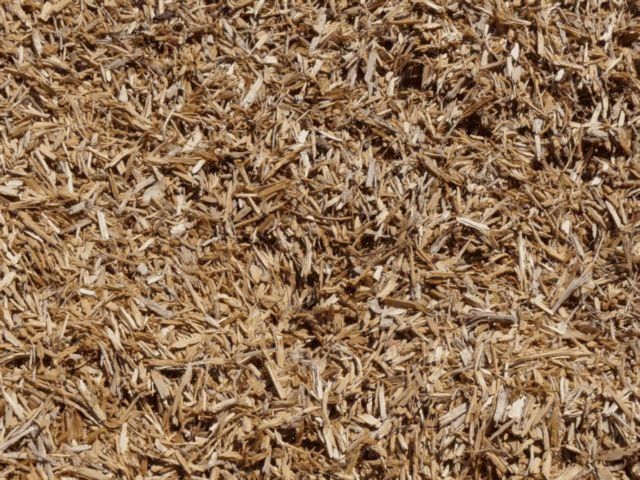
- rice hulls
- cotton burr wastes
- pecan hulls (shelling operations) and other wastes
- egg shells, shrimp shells, crap shells, etc.
- oysters and shells
- fish manure and sediment from fish farms
- coconut shells, peanut shells, etc.
- grain dust
- baggasse (sugarcane waste)
- sugarcane processing waste
Food Processing:
- companies/packing houses/distribution centers (wax coated cardboard, other)
- coffee grounds, teas, chocolate wastes, etc.
- dairy by-products (cheese, whey, etc.)
- bakery wastes (bread, cakes, crackers, oils, grease/lard, butter,etc.)
- candy manufactory wastes
- diatomaceous earth from filters (food processing to water treatment)
- beverages (out of date or off-spec, soft drinks, etc.)
- fruit and vegetable
- grain and grain dust, mills, elevators, haulers (trucks & barges), etc.
- sugar and confectionery wastes
- meat and poultry
- seafood and fish offal
- slaughter house wastes and renderings (hoofs, hide, horn, hair)
- food packaging companies (vegetative, paper, cardboard, etc.)
- food processing waste (and waste water)
- food processing sludge
- off spec food and out of date food
- off spec alcohol and other beverages (also confiscated alcohol)
- out of date beer/alcohol and other beverages from distributors
- hair, feathers, seeds, etc.
- bycatch from fishing industry
- paunch manure
Grocery Stores and Restaurant Waste:
- produce
- deli (meat, cheese, wax coated packaging, fats, trimmings, etc.)
- bakery items, old goods, etc.
- non-recycled cardboard (wet or wax coated)
- meat/bones scraps (renderings)
- floral waste
- out of date food, beer, juice, etc.
Industrial and Governmental Waste:
- wood pulp from sludge and or waste water (paper mills)
- sugar and syrup wastes (liquid and solid)
- paper from document shredding companies, USPS (Junk and undeliverable mail)
- sometimes called grease trap waste but other types oils (lards, waxes, cooking oil, etc.)
- wax coated cardboard
- paper companies wood short fiber/pulp
- granite dust from stone carving companies
- drywall (sheetrock) from new construction only (case by case basis)
- seaweed from beach cleanups
- brewery, winery, and distillery waste
- untreated sawdust
- fabric/garment scraps (wool, cotton, etc.)
- cotton fluff from diaper manufacturing
- ATF - confiscated alcohol and tobacco
- out of date beer, wine, liquor, etc.
- cotton lint from cleaning/manufacturing
- telephone books, newspapers
- pharmaceutical residuals (some)
- grain dust (barges, elevators, trains, trucks)
- floral waste and trimmings
OTHER:
Topsoil, fill dirt, sand, brick, concrete, asphalt, rock or gravel, etc. may be accepted for other uses than composting. Call our office for current availability.
FINES:
Penalties will be assessed as per the following:
- First instance $250 fine
- Second instance $500 fine
- Third instance $1000 with written warning of a final notice stating they will no longer be using our facility due to the ongoing contamination issues.
Branches/Leaves/Grass:
- First instance $100 fine
- Second instance $200 fine
- Third instance $300 with written warning of a final notice stating they will no longer be using our facility due to the ongoing contamination issues.